
A new ACF analysis: turnout at the polling stations at risk of vote fraud continues to decline in the November 2021 parliamentary elections in Bulgaria
Voter turnout in at-risk stations continues to decline in the November 14, 2021 parliamentary elections in Bulgaria, which is a strong indicator of a decline in controlled and bought votes.
This is one of the conclusions of the analysis of the results of the parliamentary elections in November 2021, which the Anti-Corruption Fund (ACF) presented today. The authors of the analysis are the ACF team members Maria Karayotova, doctor of criminology, and Mario Rusinov, political scientist. The interactive maps of the polling stations at risk locations were developed by Dr. Nikola Tulechki from the “Data for Good” association.
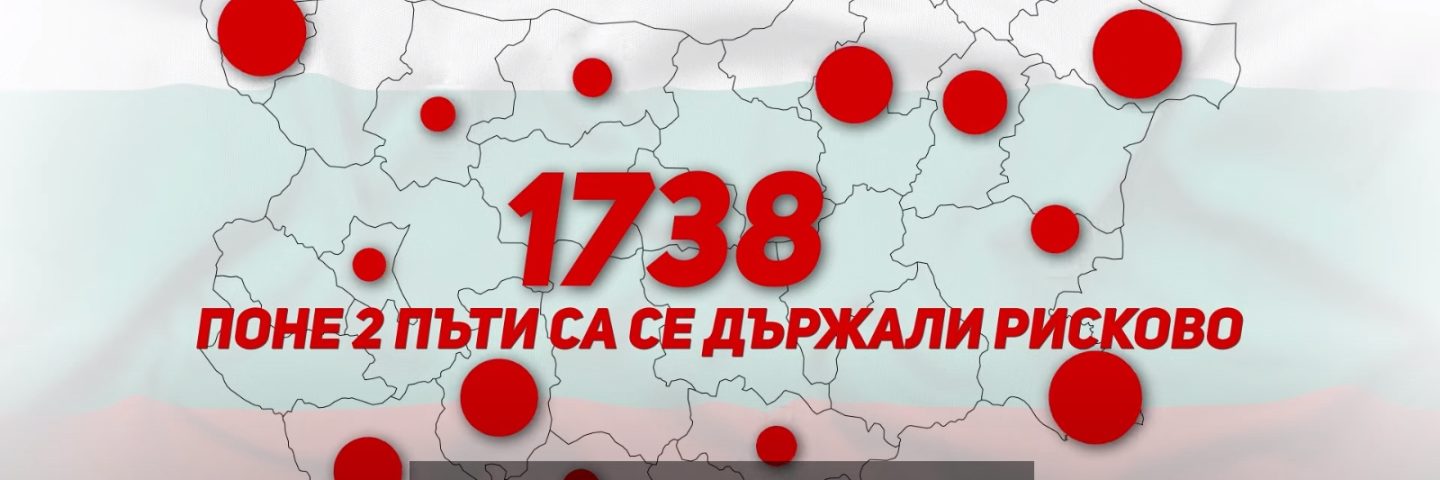
The analysis explores what happened at the last parliamentary elections held in November 2021 in the high-risk polling stations identified by ACF experts – a total of 1,738 polling stations in the country where there was a high risk of bought and controlled voting in at least two parliamentary elections for the period 2013 – 2021.
How many people voted in the at-risk stations in November 2021?
The significant turnout decline at the at-risk stations identified by the ACF experts at the July 2021 elections continued in the November elections when the turnout in those stations fell by another 10%, and the number of votes cast there dropped by 22,000 compared to the July 2021 elections.
In some places the tendency towards lower voter turnout in the stations at risk was more pronounced.
In the Municipality of Burgas, for example, the turnout in the at-risk stations in November decreased by as much as 16.3%. One of the possible explanations is the intensified activity of the Ministry of Interior against vote purchasing and related crimes in the municipality, as well as its wide media coverage. Another possible reason is the reduced incentive for political actors to resort to this mechanism for securing votes.
The percentage of municipalities in which the share of potentially purchased or controlled vote from the total vote in the municipality is below 1%, has, however, increased significantly.
Who did the at-risk stations vote for in the November 2021 elections?
The Movement for Rights and Freedoms party (MRF) retains its leading position in terms of the share of votes received in at-risk stations, with a loss of only 2.2% compared to its results from July. Therefore, the share of the MRF in the total potentially manipulated or purchased vote in the country increased from 34.4% in July 2021 to 37.7% in November 2021.
Political party GERB remains second in terms of share of votes received in at-risk polling stations. In the November elections, GERB reports the most significant losses in the at-risk stations: support for them fell by 14.3% or by about 11,500 votes. Thus, the share of GERB of all votes from the at-risk stations in the country fell from 24% in July to 21% in November 2021.
The third place in terms of share of votes at risk goes to the Bulgarian Socialist Party (BSP) with 11% of the risk vote in the country.
What is the weight of the votes from polling stations at risk for each party?
The greatest weight of votes from polling stations at risk continues to be seen in the results of the Movement for Rights and Freedoms party – 29.1% of all votes for party came from polling stations at risk.
The National Rally of the Right coalition between the Republicans for Bulgaria party and the Conservative Rightist Unity Party) came second with 16.3% of all their votes cast polling stations at risk.
Third comes the Bulgarian Socialist Party with 8.2% and fourth is GERB with 7.1%.
The following video presents the results of the analysis:
Парламентарни избори ноември 2021: какво се случи в рисковите секции?
See the full analysis at:
Парламентарни избори ноември 2021: какво се случи в рисковите секции?
The analysis was developed with the support of the Konrad Adenauer Stiftung – the Rule of Law Programme Southeast Europe