

“Hemusgate” is a scandal involving the alleged embezzlement of tens of millions of leva intended for the construction of the Hemus Motorway, as well as subsequent suspicions that criminal proceedings in the case were obstructed.
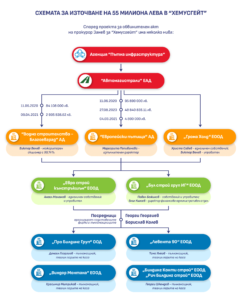
According to an investigation by the Sofia City Prosecutor’s Office, the case involves a scheme to embezzle and launder approximately 54–55 million leva, paid in advance for construction work that was never actually carried out.
The funds were transferred from the Road Infrastructure Agency to the state-owned company “Autostrades,” which, through so-called in-house contracting, directed them to private road construction firms. Part of the funds passed through a chain of subcontractors and shell companies, after which they were withdrawn in cash. According to data from the draft indictment, between June 2020 and September 2021, over 54 million leva were withdrawn through dozens of bank transactions and transported to a warehouse near Blagoevgrad, where their trail goes cold.
In the fall of 2023, supervising prosecutor Ivaylo Zanev prepared an indictment against nine people, including executives of major road construction companies, for participation in an organized criminal group. However, the document never reached the court. Shortly before it was to be filed, Zanev and the other supervising prosecutors were removed from the case.
Subsequently, Zanev reported possible obstruction of the investigation and potential interference by high-ranking prosecutors. Despite this, the institutions refused to launch an investigation into the report. Meanwhile, the case was split, some of the charges were dropped, and the case remains without clear progress in court.
“Hemusgate” has become an example of two problems at once: suspicions of large-scale embezzlement of public funds in a major infrastructure project and questions about whether the Bulgarian prosecution has been able—or willing—to see the investigation through to the end.